
It may seem straightforward: you have a circuit, secure a spot on the Formula 1 calendar, and everything else falls into place, right? The reality is far from this assumption. Hence, a significant number of organizers turn to Sports Marketing Group, where Tom Cooney assists Grands Prix in establishing their identity.
Every Formula 1 journalist is familiar with them: the emails from SMG (Sports Marketing Group) announcing performances by Alicia Keys and Pharrell Williams at the Saudi Arabian Grand Prix, the launch of a sustainability initiative in Austin, or a media tour through the old city of Baku. The author and sender of many of these emails is Tom Cooney, Group Communications Director of The Sports Marketing Group.
Cooney explains that these days, it’s often about more than just racing. A Grand Prix must now offer more than just an exciting qualification on Saturday and one and a half to two hours of racing action on Sunday. “A Grand Prix has essentially become a festival. You’re selling a three or four-day trip to a destination, in addition to a race. Fans want and get more for their money. A ticket no longer just gives you a seat in the stands. It also grants access to a concert by Justin Bieber or Ed Sheeran, the fan zone, and so on.” A Grand Prix visit has thus become, in industry jargon, a ‘360-degree experience’. “Purists may not like it, but Formula 1 is increasingly being packaged under the motto ‘sport is entertainment’.”
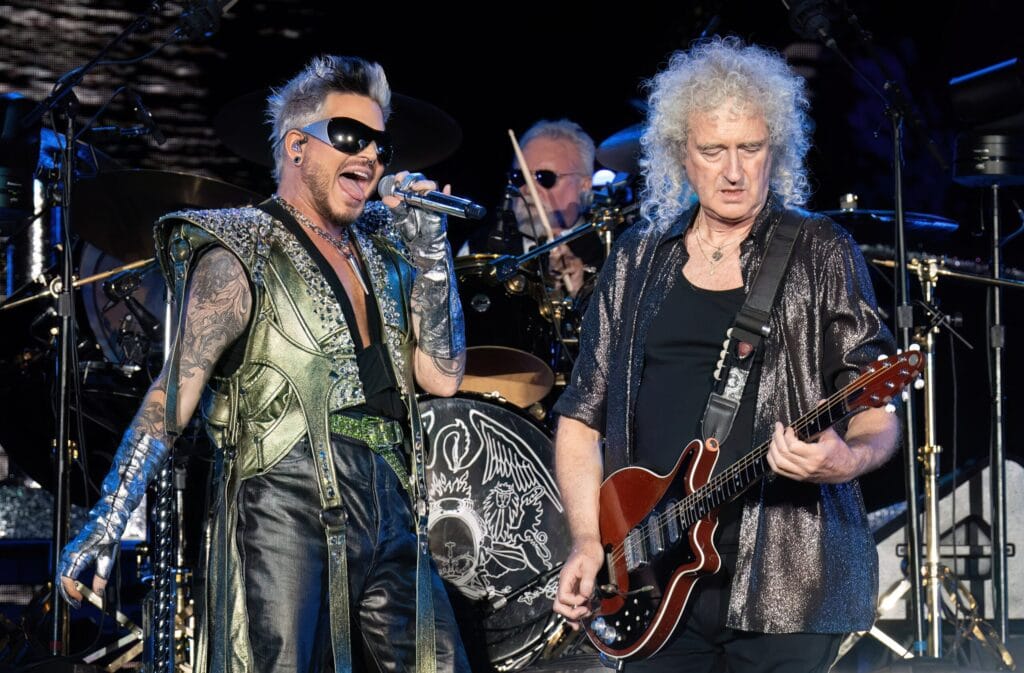
The importance of this is twofold. On the one hand, the sport is tapping into new target groups, reaching people who may initially come for the screaming guitars of Green Day, but are just as easily enchanted by the speed and roaring engines. The success of this formula is evidenced by the recent record crowds in Austin, where, for example, Queen performed at the last edition. The second point is that Formula 1 must keep up with this trend in global sport. “This is my personal opinion, but I believe that in a very busy sports market, you’re fighting for people’s attention,” Cooney believes. “Sport is big business. Why would you go to a Formula 1 race when you could go to a football match or a tennis tournament? Or watch it just as easily at home on TV? The fact that you offer a tangible experience is very important to show people.”Immerse yourself in the full narrative within the pages of the 5th/6th edition of FORMULA 1 Magazine. This captivating publication is now available for your reading pleasure in stores or can be conveniently ordered in digital format.It may seem straightforward: you have a circuit, secure a spot on the Formula 1 calendar, and the rest follows naturally, right? The reality is far from it. That’s why a significant number of organizers turn to the Sports Marketing Group, where Tom Cooney assists Grand Prix in establishing their identity.
Every Formula 1 journalist receives and recognizes them: the emails from SMG (Sports Marketing Group) announcing that Alicia Keys and Pharrell Williams will perform at the Saudi Arabian Grand Prix, that a sustainability initiative is being launched in Austin, or that a media tour through the old city is being offered in Baku. The author and sender of many of these emails is Tom Cooney, Group Communications Director of The Sports Marketing Group.
Cooney explains that these days, it’s often about more than just racing. A Grand Prix must now offer more than just an exciting qualification on Saturday and one and a half to two hours of racing action on Sunday. “A Grand Prix has essentially become a festival. You’re selling a three or four-day trip to a destination in addition to a race. Fans want and get more for their money. A ticket no longer just gives you a seat in the stands. It also grants access to a concert by Justin Bieber or Ed Sheeran, the fan zone, and so on.” A Grand Prix visit thus becomes, in industry jargon, a ‘360-degree experience’. “Purists may not like it, but Formula 1 is increasingly being packaged under the motto ‘sport is entertainment’.”
The importance of this is twofold. On the one hand, the sport taps into new target groups, reaching people who might initially come for the screaming guitars of Green Day, but are just as easily enchanted by the speed and roaring engines. The success of this formula is evidenced by the recent record crowds in Austin, where, for example, Queen performed at the last edition. The second point is that Formula 1 must keep up with this trend in global sport. “This is my personal opinion, but I think you’re fighting for people’s attention in a very busy sports market,” believes Cooney. “Sport is big business. Why would you go to a Formula 1 race when you could go to football or a tennis tournament? Or watch it just as easily at home on TV? The fact that you offer a tangible experience is very important to show people.”