
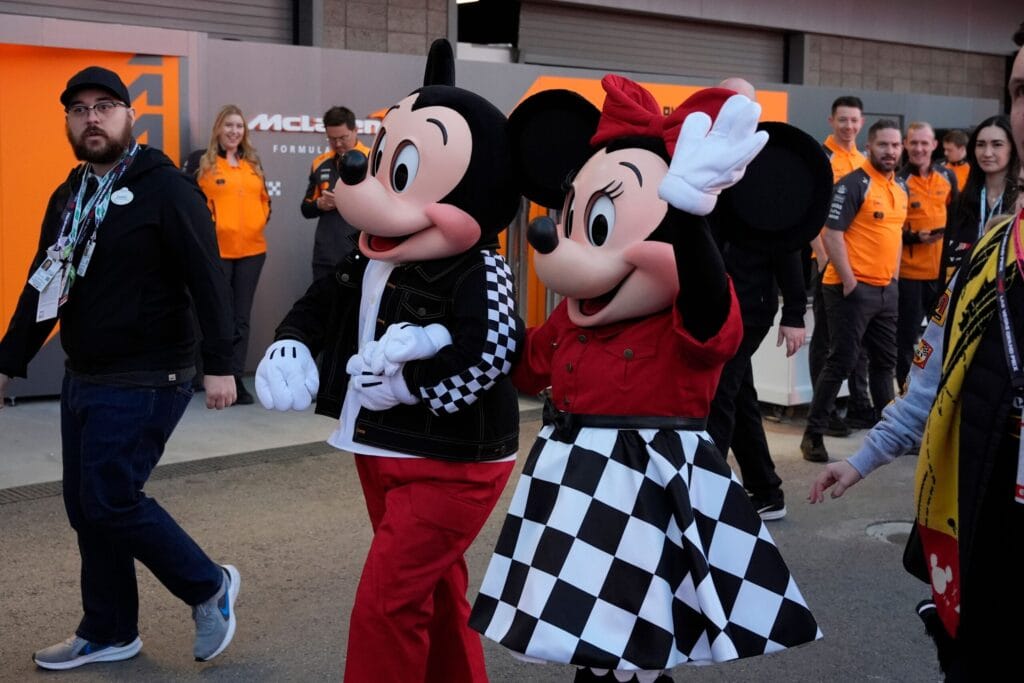
Following partnerships with EA Sports and LEGO, Formula 1 has now also teamed up with Disney. However, a Grand Prix in Disneyland is not currently on the agenda.
About a decade ago, Bernie Ecclestone, then the commercial rights holder, made a striking statement claiming that Formula 1 was intended for people of a certain age group and background, and that the sport should not target the youngest generation. This was at a time when Formula 1 was in dire straits. There was no growth, quite the opposite. So when Liberty took over the rights to the sport in 2017, the focus naturally shifted to opening new doors, including through social media, to expand and diversify the target audience.
Since then, Formula 1 has undergone a significant transformation in terms of its fan base. I recently had a meeting with the promoter of the Australian GP, who said that 43 percent of this year’s spectators were women. In addition, our fans have become increasingly younger, also due to our visibility on social media and Netflix.
The next step is to reach the youngest generation through LEGO, Disney, and EA. These partnerships offer new opportunities. Many people like me have been F1 fans since the early 90s or even earlier, but as a sport, you need a broad and diverse fan base. Through LEGO and Disney, we gain access to the fans of the future. The entertainment value of the sport has become increasingly important. This development is undeniable, but no, a Formula 1 race in Disneyland is not yet an option on the table.
A race weekend now encompasses much more than three sessions and a race on Sunday. That’s no longer feasible, we need to offer much more. This is also because we are competing with many other sports and industries. If you don’t continue to innovate, you won’t grow as a sport. A visit to a Formula 1 weekend is now an experience, an event on many levels. And that’s how it should be. Because when a fan spends a lot of money to visit a GP with their family, all family members must be optimally served.
Impact of Younger Audience on the Sport
Could a younger audience with a shorter attention span eventually impact the sport itself? That’s an intriguing thought. We’ve had the sprint races for a few years now, which have been successful. I do believe that we need to remain open to further changes. This is, in essence, the DNA of our sport: constant innovation. However, it goes without saying that the FIA and the teams also have a significant say in this.
The Positive Influence of Max Verstappen
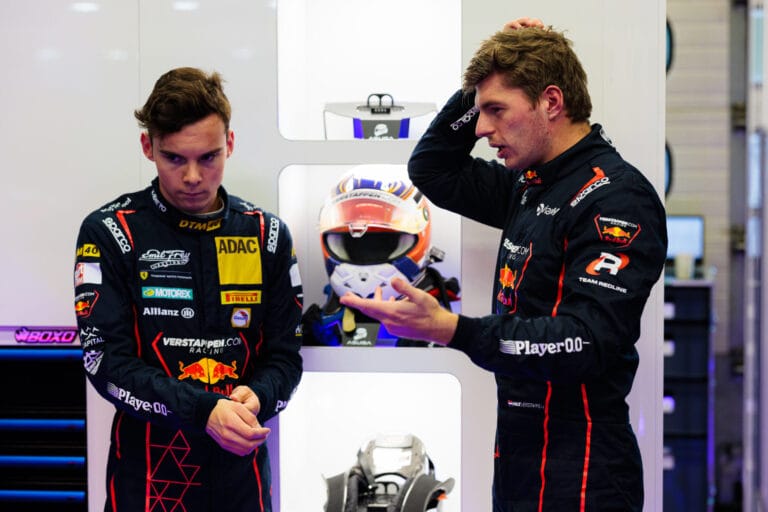
It’s also very positive for the sport that we have a four-time world champion like Max Verstappen, who is not only outspoken but has also matured within the sport. At the age of 17, he was perhaps already mature as a driver, but in many other aspects of life, he was still a seventeen-year-old boy. Back then, he might have found it a bit awkward when children asked him for an autograph, but now he is a global role model for young people.
Verstappen’s Development and Influence
I believe his development from a teenager and young talent to a father and four-time world champion helps us in many ways, especially in the perception of our young fans. As a sport, you need compelling stories and leading figures like Max. Let’s just say, it’s worthy of a Disney story.